The Beginner's Guide to a Great Golf Swing

Learning to swing a golf club doesn't have to be complicated. While there are plenty of tips and techniques out there, every good golf swing starts with the same fundamentals: a proper grip, balanced stance, good posture, and a smooth, controlled motion.
In this guide, we'll walk through each step of the proper golf swing technique, common swing mistakes to avoid, and share tools and advice to improve your swing so you can practice with confidence.
Key Takeaways
- Build your swing from the ground up with the right grip, stance, and posture.
- A great place to start is by using a neutral grip where the “V” formed by your thumb and forefinger points toward your trail shoulder, standing with feet shoulder-width apart, and bending slightly from the hips with your back straight.
- Focus on balance and making solid contact before trying to generate more power.
- Spend time learning each phase of the golf swing from setup to follow-through, including a controlled takeaway, a full shoulder turn at the top, and a balanced finish with your chest facing the target.
- Try to avoid common beginner mistakes like gripping the club too tightly, swaying instead of rotating during the backswing, or lifting your head too early as you make contact with the ball.
- Improve your practice sessions with golf training aids and personalized golf lessons from PGA TOUR Superstore's certified instructors.
Before You Swing: Start with the Right Equipment
Before focusing on your swing, it's important to make sure you're using the proper equipment. The right club won't fix your swing, but it can make learning the fundamentals much less frustrating.
Start with a 7-Iron
If you're brand new to golf, a 7-iron is one of the best clubs to learn with. It offers a good balance of loft, distance, and forgiveness, making it easier to get the ball into the air while you develop consistent contact.
Many instructors recommend learning with a mid-iron because it helps you build solid swing mechanics that will transfer well throughout the rest of the clubs in your bag.



Wear Comfortable Clothing
Your outfit should allow you to move freely throughout your swing. Comfortable golf shoes offer more traction during your swing compared to regular sneakers or tennis shoes, while a good golf glove helps you keep a secure grip without squeezing the club too tightly.
How to Hold A Golf Club
Your grip is the only connection between you and the golf club. If your hands aren't positioned correctly, it becomes much harder to make even contact with the golf ball.
Fortunately, learning a proper grip is one of the easiest ways to build consistency.
Start with Grip Pressure
One of the most common mistakes beginners make is holding the club too tightly. It feels natural to squeeze harder because you don't want the club to slip, but too much tension limits your wrist movement and makes it harder to create a smooth swing.
Instead, hold the club firmly enough that it feels secure while keeping your hands and forearms relaxed. A helpful way to think about it is holding a tube of toothpaste without squeezing any toothpaste out.
Build a Neutral Grip
A neutral grip is a great starting point for beginners because it helps you keep the clubface straight when you hit the ball.
Start by placing your lead hand on the club so the grip runs diagonally across the base of your fingers. When you look down, you should be able to see two to three knuckles on your lead hand. The "V" formed by your thumb and index finger should point toward your trail shoulder.
Next, place your trail hand below your lead hand so your lifeline covers your lead thumb. The "V" on this hand should also point toward your trail shoulder, helping both hands work together to control the clubface.
Quick Tip! Your lead hand is the hand closest to the target (left hand for right-handed golfers, right hand for left-handed golfers). Your trail hand is the hand farther from the target (right hand for right-handed golfers, left hand for left-handed golfers.)

There are three common ways to connect your hands on the club:
- Interlocking grip: The pinky finger of your trail hand interlocks with the index finger of your lead hand. This is a popular choice for beginners and golfers with smaller hands.
- Overlapping grip: The pinky finger of your trail hand rests between the index and middle fingers of your lead hand. Many experienced golfers prefer this grip.
- Ten-finger grip: Also called the baseball grip, all ten fingers remain on the club. This grip can be a comfortable option for juniors or golfers with limited hand strength.
Try each grip to see which feels most comfortable, but remember that consistency is more important than the specific style you choose.
Build a Proper Golf Stance
A good swing starts from the ground up. Before you think about your takeaway or follow-through, make sure you're standing in a balanced, athletic position.
Position Your Feet
For most full swings, stand with your feet about shoulder-width apart. This gives you a stable base while still allowing your body to rotate freely.
Your ball position will change depending on the club you're hitting, but a good starting point is:
- Short irons: Center of your stance.
- Mid-irons: Just forward of center.
- Drivers: Inside your lead heel.
Keep your weight balanced evenly between both feet, with a slight emphasis on the balls of your feet instead of your heels or toes.
Keep Your Knees Flexible
Your knees should be slightly bent to help you stay balanced during your swing. Avoid locking your knees or bending them so much that you look like you’re crouching. Think of the athletic position you'd use before catching a ball or returning a tennis serve.
Bend from the Hips
Instead of rounding your back, bend forward from your hips until your arms can hang comfortably beneath your shoulders. Keep your back relatively straight and let your arms fall naturally.
Standing too upright can make it harder to make good contact, while bending too much can restrict your movement.
Check Your Alignment
Before every swing, make sure your:
- Feet are aimed parallel to your target line, which is an imaginary straight line from your ball to your target.
- Hips and shoulders match your foot alignment.
- The face of your club points directly at your target.
Many beginners accidentally aim their body away from the target without realizing it. Developing a simple pre-shot routine can help you check your alignment before every swing.
Master Your Posture
Your stance gives you a solid foundation, but your posture determines how well you can rotate throughout the swing. Good posture helps you stay balanced, make consistent contact, and generate power without feeling like you're forcing the swing.
When your posture is correct, you should feel athletic and stable with your weight evenly distributed throughout your upper body. If you feel wobbly or like you’re leaning over to one side, you’ll need to readjust.
A good checkpoint is to let your arms hang comfortably without reaching for the ball. If you're stretching too far or feeling cramped, adjust your distance from the ball before you swing.
Try to maintain this posture throughout your swing. Standing up too early can lead to missing some of or all of the ball.
Learn the Proper Swing Technique
Once you've built a solid setup, it's time to put everything together. While the golf swing may look like one fluid motion, it's made up of several smaller movements that work together. Focusing on each phase can make the swing easier to learn.

Address Position
Every swing begins at address, which is the position you’re in while standing over the ball, but before your club moves.
Before moving the club back to start your swing, check that your grip, stance, posture, and alignment are all in place. Starting from the same position before every shot helps build consistency and makes it easier to repeat your swing.
The Takeaway
The takeaway is when you first start to move your club backward as you begin your swing. A smooth takeaway helps set the rest of the swing in motion.
As you begin, let your shoulders, chest, and arms move together instead of picking the club up with your hands. Keep the clubhead low to the ground for the first few feet and avoid rolling your wrists too early.
The Backswing
The takeaway is when you first start to move your club backward as you begin your swing. A smooth takeaway helps set the rest of the swing in motion.
As you begin, let your shoulders, chest, and arms move together instead of picking the club up with your hands. Keep the clubhead low to the ground for the first few feet and avoid rolling your wrists too early.
The Transition
The transition is the moment your backswing changes direction and starts moving down towards the ball. Although it happens quickly, it's one of the most important parts of your swing.
Instead of starting with your hands, allow your lower body to begin the movement toward the ball. This helps create a natural sequence where your hips, torso, arms, and club all work together.
The Downswing
As the club moves toward the ball, shift your weight onto your lead foot while rotating your hips and chest toward the target.
Rather than trying to swing harder, focus on staying balanced and letting the club follow the path created by your body rotation. A smooth downswing produces more consistent shots than that you try to put all your power into.
Impact
Impact is the moment your club meets the ball. Your goal is to return the face of the club as square as possible while keeping your balance.
Keep your head steady and your eyes focused on the ball until after you make contact.
Follow-Through
After you hit the ball, continue rotating until your chest faces the target and most of your weight rests on your lead foot. Your trail foot should finish with only the toe touching the ground, and you should be able to hold your finish comfortably for a few seconds.
If you can't hold your finish, chances are you lost your balance earlier in the swing.
Quick Tip! A smooth, controlled swing beats swinging harder every time. Good tempo keeps your body, arms, and club in sync for better contact and consistency. Aim for balanced swings at about 70–80% effort. As you practice, the speed will come naturally.
Common Beginner Swing Mistakes
Everyone makes mistakes while learning the game. The key is recognizing them early so they don't become habits that are harder to break later.
- Swinging Too Hard: Trying to hit the ball as far as possible often leads to poor balance and inconsistent contact. Focus on making a smooth swing and letting the club do the work.
- Gripping the Club Too Tightly: Too much tension limits your wrist movement and can reduce both control and distance. Keep your grip secure, but relaxed.
- Trying to Lift the Ball: Many beginners try to help the ball into the air by scooping it with the club. Instead, trust the loft of the club to do its job. Your goal is to make clean contact and let the club launch the ball.
- Looking Up Too Soon: It's natural to want to watch the ball fly, but lifting your head before impact can cause mishits. Stay focused on the ball until after you've made contact.
- Overswinging: A longer backswing doesn't always create more distance. Swing only as far as you can while staying balanced and in control.
- Skipping the Fundamentals: It's tempting to focus on hitting longer shots right away, but a consistent grip, setup, and posture will have a much bigger impact on your progress over time.
Golf Training Aids to Help You Build Confidence
Practice is one of the best ways to improve your golf swing, but practicing the wrong movements can reinforce bad habits. Training aids provide feedback that helps you understand what your body and the club should be doing throughout the swing.
Consider grabbing some of these helpful training aids to get a better feel for the game
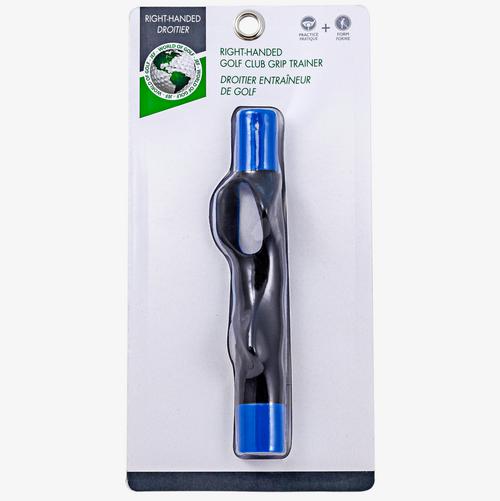
Grip Trainers
Grip trainers help you make sure you're holding each club correctly.

Alignment Sticks
Alignment sticks provide visual feedback to help you build a more consistent swing.


Swing Trainers
Swing trainers are a great way to warm up before a round and help you improve your swing plane, the path the club follows during your swing, for more consistent ball striking.


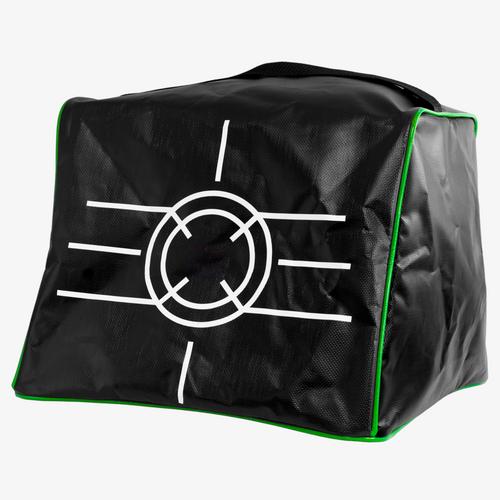
Impact Bags
Impact bags help you practice proper impact position and develop the feel of making solid, centered contact with the ball.
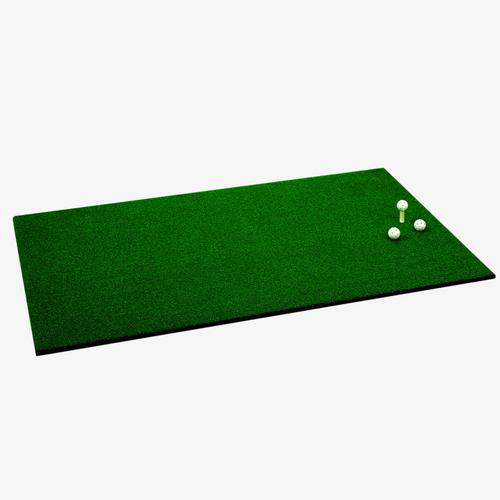
Practice Mats
Practice mats make it easy to work on your swing at home, the office, or anywhere you need to get a few putts in.

Take the Next Step Toward A Better Swing with Golf Lessons at PGA TOUR Superstore
Explore all the essentials a traveling golfer needs for comfort on the go.Learning the fundamentals is the first step toward building a golf swing you can rely on. With a proper grip, stance, posture, and swing technique, you'll have the foundation that will serve you well as your game continues to improve.
While online videos and the driving range can help you get started, there's no substitute for personalized lessons. Working with a certified instructor gives you immediate feedback, helps you correct mistakes in real time, and provides a plan that's tailored to your goals and skill level.
- Single Lessons: Book a one-on-one lesson with a PGA Certified Coach for focused instruction on your swing, putting, short game, or another specific skill.
- Focused Instruction: Work with a Certified Instructor to create a complete lesson plan built around your goals, schedule, and skill level.
- Custom Lesson Plans: If you're committed to long-term improvement, a custom lesson plan provides ongoing coaching designed around your game to help you play better, faster.
Whether you're picking up a club for the first time or looking to build more confidence before your first round, PGA TOUR Superstore's certified teaching professionals can help you develop your swing faster.