The Best Affordable Golf Putters of 2026

Finding a putter that delivers professional consistency and feel no longer requires a massive investment. Balance performance with value and explore the models delivering the best roll this season. When you shop for affordable golf putters, you gain essential stability and alignment technology while prioritizing your budget for practice and professional fittings.
At a Glance: Top Picks by Category
- Best for Forgiveness: TaylorMade SYSTM2
- Best for Distance Control: Cleveland HB Soft 2
- Best for Soft Feel: Odyssey DFX
- Best for Forward Roll: Odyssey Microhinge
- Best for Stability: PING Scottsdale
- Best for Stroke Consistency: Wilson Infinite
- Best for Ball Speed: Odyssey AI-ONE
- Best for Squaring the Face: Wilson Infinite Zero Torque
The Best Affordable Putters to Consider in 2026
We have categorized our top value picks by their primary performance benefit to help you find the right match for your stroke.
Category: Maximum Forgiveness and Alignment
Best for: Golfers who struggle with inconsistent impact or difficulty squaring the face to the target.
TaylorMade SYSTM2 Putter
-
- Best For: Golfers seeking a confidence inspiring mallet with high contrast visuals.
- Key Benefit: Features high MOI head shapes that stabilize the face on off center hits for better distance consistency.

Wilson Infinite Zero Torque Putter
-
- Best For: Players who want the putter to stay square effortlessly through the entire stroke.
- Key Benefit: Specifically balanced to resist twisting, helping the face remain pointed at your target even if your stroke isn't perfect.

Odyssey DFX Putter
-
- Best For: The player who wants an ultra-clean look and the softest feel possible.
- Key Benefit: Uses Odyssey's softest ever insert technology to provide a muted, gentle touch on fast or firm greens.

Category: Precision Roll and Ball Speed
Best for: The golfer who wants a reliable club that helps with distance control and pace.
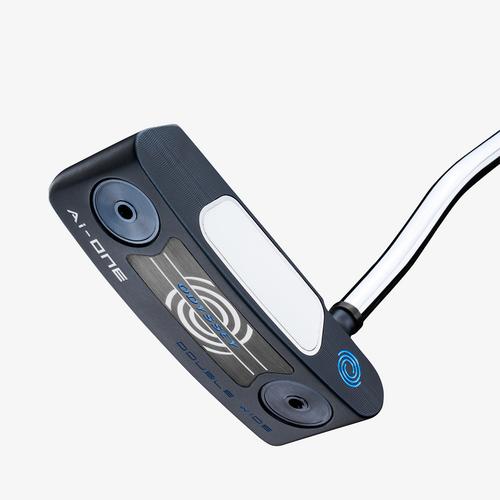
Odyssey AI-ONE Putter
-
- Best For: Golfers who want tour validated technology that protects ball speed on mishits.
- Key Benefit: Utilizes an AI designed aluminum backer behind the insert to ensure the ball travels the same distance regardless of where it hits the face.
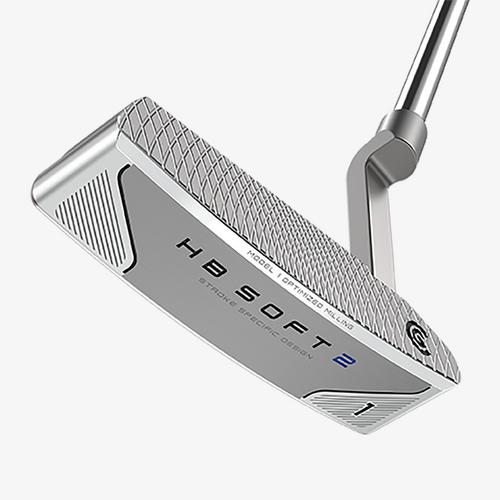
Cleveland HB Soft 2 Putter
-
- Best For: Players who prefer a traditional blade but need modern help with pace and distance.
- Key Benefit: Features speed optimized face milling that normalizes ball speed across the hitting surface.
Odyssey Microhinge Putter
-
- Best For: The player who struggles with the ball skidding or bouncing at impact.
- Key Benefit: Employs stainless steel hinges that flex at impact to promote immediate forward roll and keep putts on their intended line.

Category: Stability and Stroke Control
Best for: Experienced players or those who want a specific weight and feedback.
PING Scottsdale Putter
-
- Best For: Savvy shoppers seeking the industry standard for stability and acoustic feedback.
- Key Benefit: Features a firm, responsive elastomer insert that helps golfers develop a better internal clock for distance control.

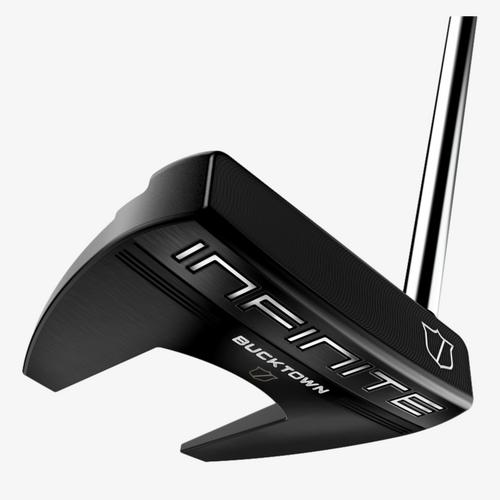
Wilson Infinite Putter
-
- Best For: Golfers who want to quiet their hands and create a more repeatable motion.
- Key Benefit: A counterbalanced design with a heavier grip end that moves the balance point closer to the hands for a more controlled stroke.
What’s Considered an Affordable Putter?
In the modern market, a putter's value is defined by its ability to deliver a consistent roll and reliable alignment without the premium markup of artisan finishes. While high end milled putters focus on luxury craftsmanship and manual labor, affordable models utilize efficient manufacturing to bring professional grade physics to every golfer. High performance putters reach this value tier through four primary paths:
- Engineered Precision Casting: Brands use advanced molding techniques to create complex and high MOI shapes efficiently. This allows for stable and forgiving head designs that perform consistently without the high cost of milling a single block of steel.
- Technology Trickle Down: The same high tech face inserts and alignment systems developed for previous flagship lines often move into more accessible models. This provides you with tour validated technology that has a proven track record of saving strokes.
- Functional Component Selection: By prioritizing performance first materials like durable polymers for inserts and stable steel for shafts, manufacturers can offer elite distance control and feel while keeping the overall investment manageable.
- Proven Design Standards: Many affordable putters utilize classic head shapes like the Anser style blade or the Fang style mallet. Because these designs are industry standards, brands can produce them with high efficiency while still offering the stability and feel that golfers expect.
You can learn more about what to look for when shopping in our comprehensive Putter Buying Guide.
How to Choose the Right Putter
Selecting the right putter is about matching technology to your natural motion. Evaluate these key components to ensure your equipment supports your scorecard.
Identifying the Right Head Type
- Blades: Traditional and compact shapes that offer maximum feel and control. These are ideal for golfers who have a slight arc in their stroke and prefer a classic look at address.
- Mallets: Larger and high stability heads that are easier to align. These are perfect for a straight back and straight through path because the extra weight helps the clubhead resist twisting.
Fine Tuning the Rest of Your Build
- Toe Hang: Match the balance of the head to your stroke. Arcing paths require more toe hang to help the face square up while straighter paths benefit from face balanced models.
- Face Technology: Choose milled metal for a firm and direct response or inserts for a softer feel and enhanced distance control. This choice often comes down to which material helps you judge speed most effectively.
- Alignment Aids: Look for high contrast lines or dots that simplify your aim. Proper alignment features help you square the face to the target and build confidence on short pressure putts.
- Length and Lie: Most players fit between a 33 and 35 inch shaft. The right length ensures your eyes are positioned directly over the ball for a more accurate perspective of the line.
- Grip Size and Texture: Do not overlook the grip. Opt for thicker grips to quiet the wrists and stabilize the stroke or thinner grips for increased touch and feedback.
Still have questions? Learn everything you need to know about choosing between a mallet or blade putter with expert advice from our PGA TOUR Superstore professionals.
Shop the Best Affordable Putters of 2026 at PGA TOUR Superstore
Balance your performance and budget with affordable putter options from the biggest names in the game like Odyssey and Scotty Cameron. For even more value, take a look at our putters on sale to save big on high-quality and flagship putter models.
Not sure which option is best for you? Visit your nearest PGA TOUR Superstore to try out any of our putters on our practice greens, or get professional insights on which model best fits your swing with a STUDIO fitting.